


- 26/08/2026
- TANA Oy
Eliminating Jams and Output Blockages in RDF Production
The waste management industry is undergoing acritical transformation. Driven by pressures from carbon reduction standards and clean energy transition roadmaps, adopting innovative solutions has become an urgent requirement for businesses.
Among these, the trend of converting waste into sustainable alternative energy sources, such as biomass and refuse-derived fuel (RDF), is opening a highly promising pathway. Developing RDF pellets from waste serves as the optimal green solution for boiler fuel, this low-emission model acts as a solid stepping stone to drive a circular economy, aiming for the maximum reduction of emissions into the environment.
Solví, the leading waste treatment management company in Latin America, which has stood as an industry leader for 50 years. With over 14,000 employees and more than 170 operational bases across Brazil, Argentina, and Peru, Solví is redefining how waste is perceived and utilized.
For Solví, waste is not the end of the process but the beginning of a value chain. This mission aligns with the growing trend of converting waste into sustainable alternative energy sources, such as biomass and refuse-derived fuel (RDF).
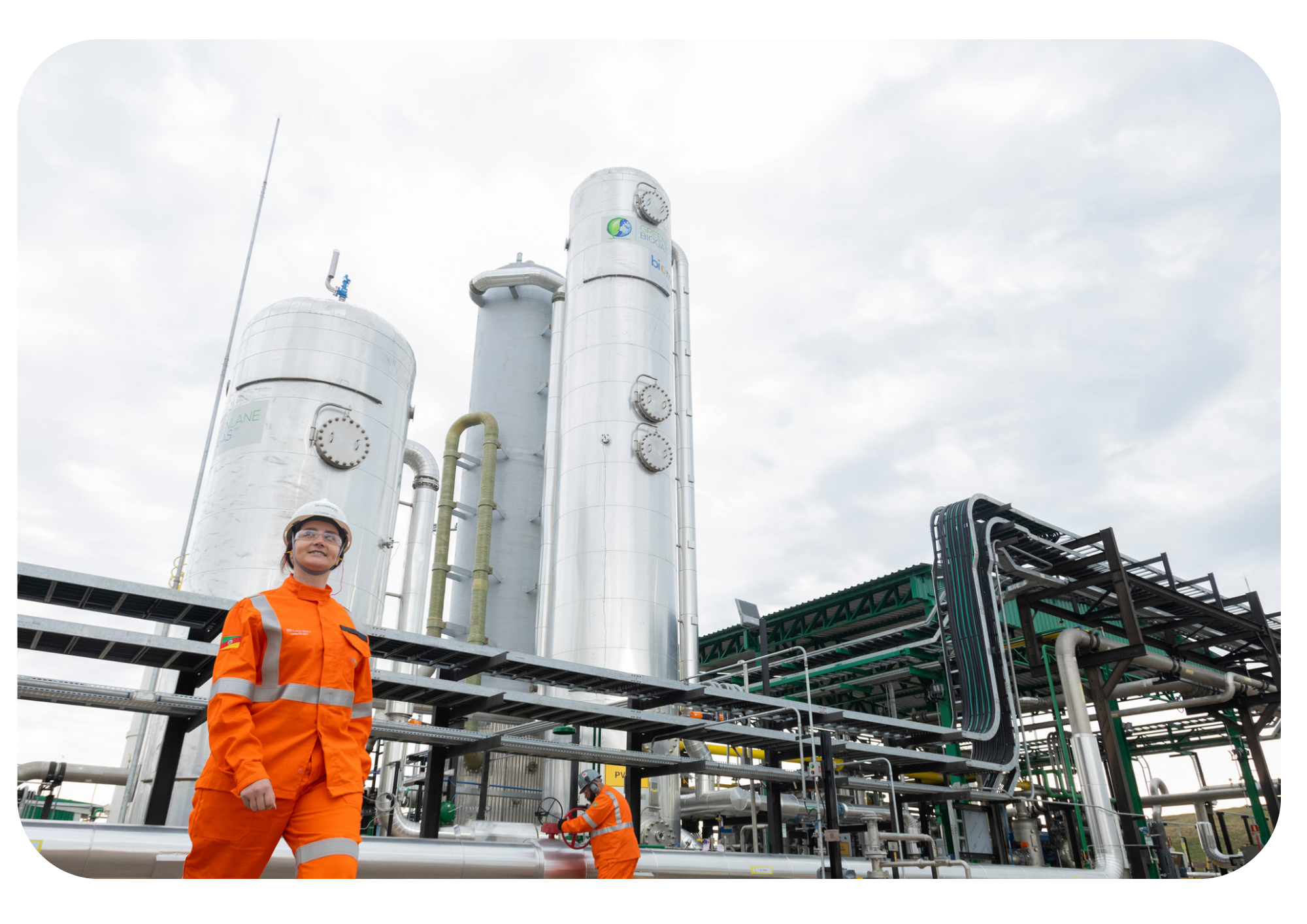
By specializing in preparing and processing waste to produce RDF pellets, Solví delivers an optimal green solution that serves as a cleaner alternative to traditional boiler fuels like coke, especially in cement production.
This low-emission commercial solution not only acts as a solid stepping stone to drive a circular economy and achieve maximum environmental emission reductions, but also significantly improves operational efficiency for its clients.
Solví’s early efforts involved working with various types of equipment, many of which struggled to handle Brazil’s heavily contaminated waste stream. Problems such as jammed conveyors, blocked outputs, and high maintenance requirements created operational inefficiencies.
To address these challenges, Solví sought a more robust and adaptable solution and found it in TANA’s shredding technology.
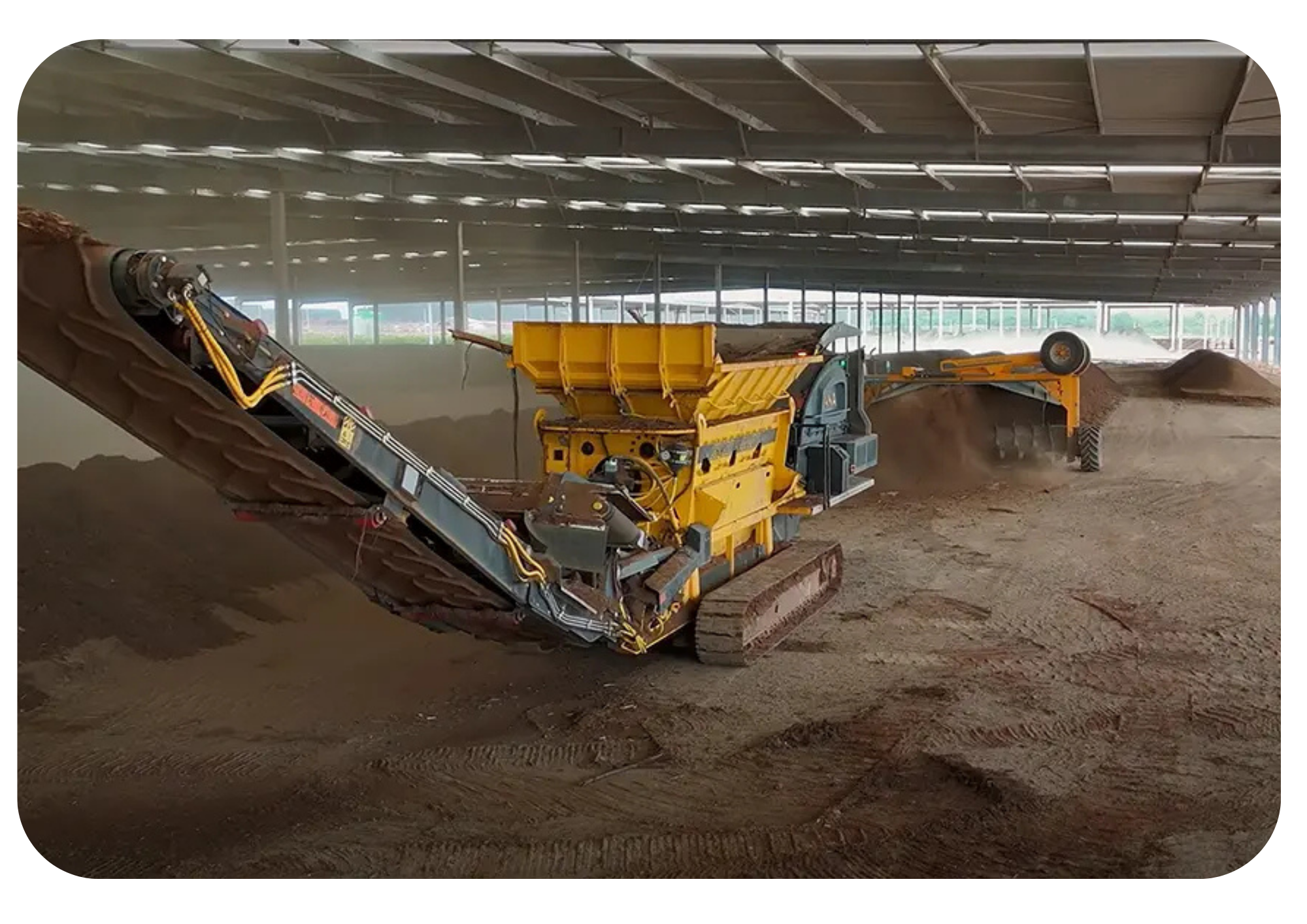
Image: TANA Oy
TANA shredders stood out for their exceptional versatility. Available in both mobile and stationary configurations to perfectly align with specific factory requirements, these machines can handle a wide variety of unsorted materials, including cloth, fabric, and rubber – completely eliminating the need for source-segregation.
Furthermore, featuring advanced technology and customizable knife structures tailored to unique operational demands, TANA shredders consistently deliver a clean 50-millimeter output that meets strict RDF production standards.
Client feedback has been consistently positive. The equipment performs reliably across diverse waste types, making it one of the most effective shredders available for complex waste environments.

CEO of Maquina Solo
TANA’s technology will continue to play a critical role in enhancing both environmental outcomes and operational results for the industry. In the context of the global energy transition, TANA shredders serve as a vital link by efficiently transforming complex waste streams into high-quality Refuse-Derived Fuel (RDF).
This high-calorie alternative fuel directly replaces fossil energy in heavy industries, significantly cutting carbon footprints. As the sector accelerates its journey toward sustainability, the commitment to driving green energy transformation through innovation and strategic collaboration sets a powerful example for the future of waste management.
Source: Video “Solví & TANA Shark EM: Driving the Future of Waste-to-Resource”
As the strategic partner of TANA in Vietnam, GETEX Energy, together with TANA, delivers advanced waste management and alternative fuel solutions that help businesses optimize operational efficiency and move toward sustainable development. Backed by extensive industry experience and technologies proven through numerous large-scale projects worldwide, TANA has established itself as a trusted brand for companies in the energy and environmental sectors.
⇒ Learn more about here.
here.


