


Waste to Energy industry transforms non-recyclable waste into usable forms of energy, reducing landfill dependency and contributing to a cleaner, circular economy. By converting waste into fuel, electricity, or direct thermal energy, we help communities and industries unlock the hidden value in their waste streams.
1. Waste to Fuel
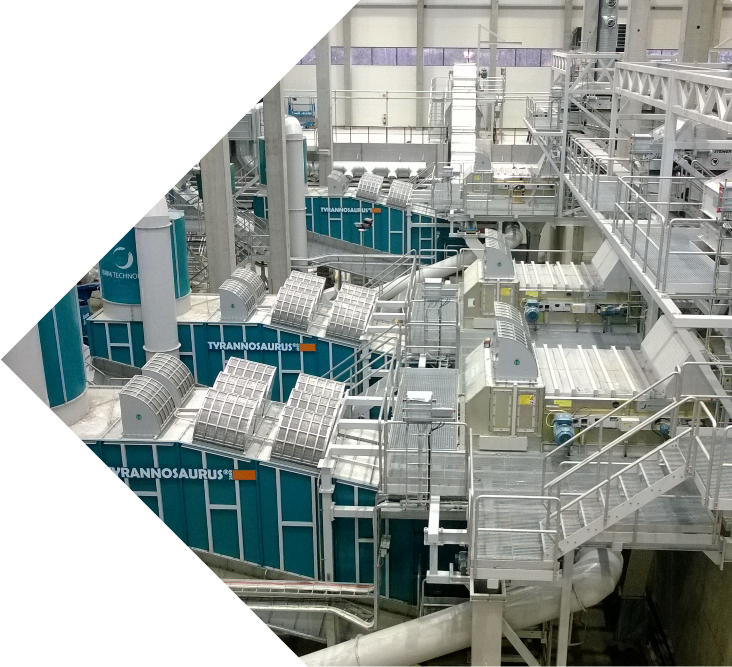
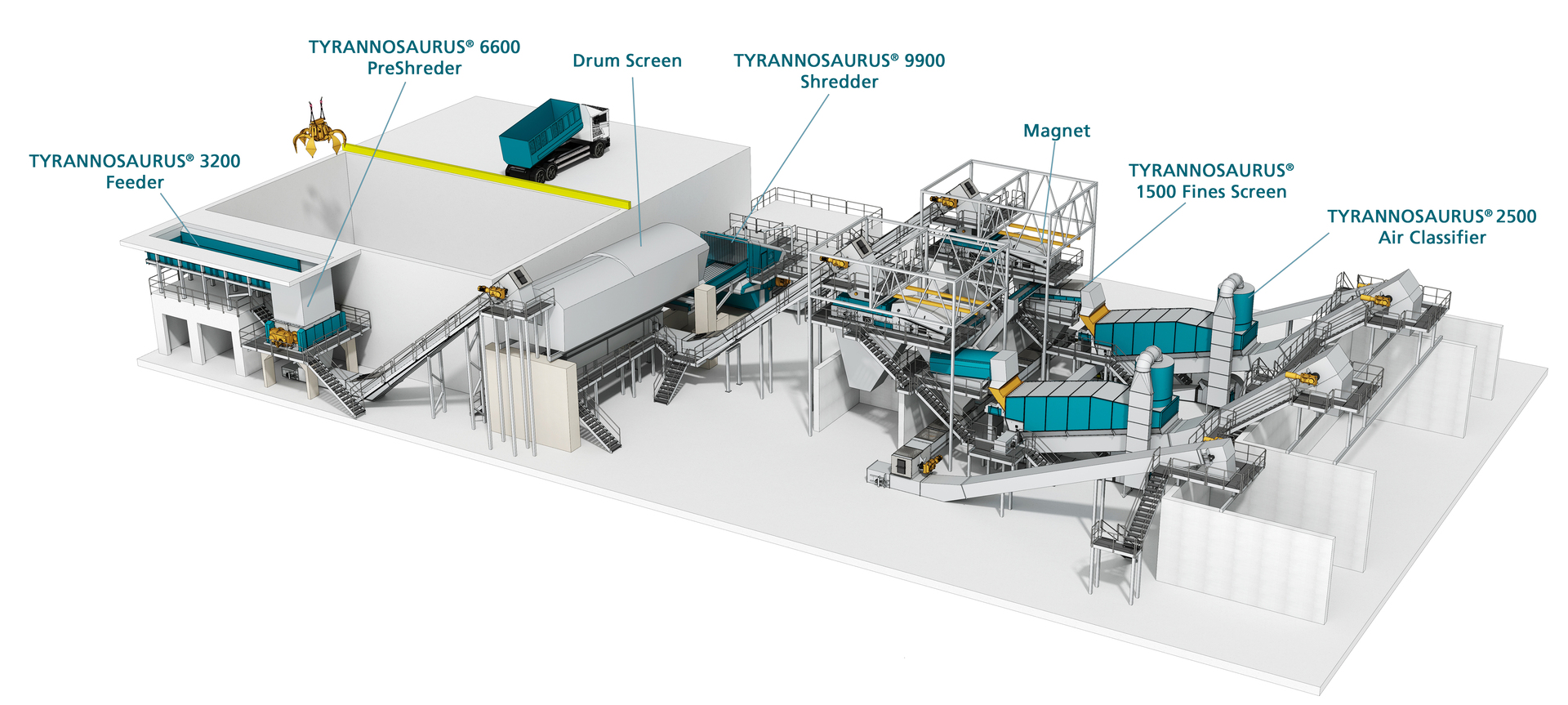
GETEX Energy offers advanced waste refining systems that convert municipal solid waste (MSW) and industrial waste into Solid Recovered Fuel (SRF) or Refuse Derived Fuel (RDF). These fuels can substitute coal and other fossil fuels in power plants and industrial boilers. Powered by TYRANNOSAURUS® technology from BMH Technology, our solutions ensure
- High fuel yield (up to 95%) from dry waste streams
- Compact plant design with low operating costs
- Automated separation of recyclables and inert materials
- Customization based on input waste and desired fuel quality
This process not only generates sustainable fuel but also reduces CO₂ emissions and landfill volumes.
2. Waste to Electricity
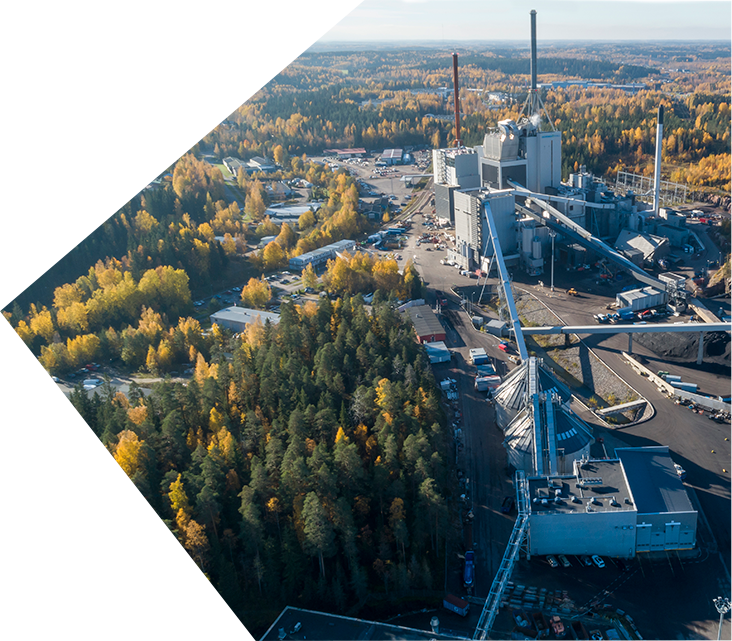
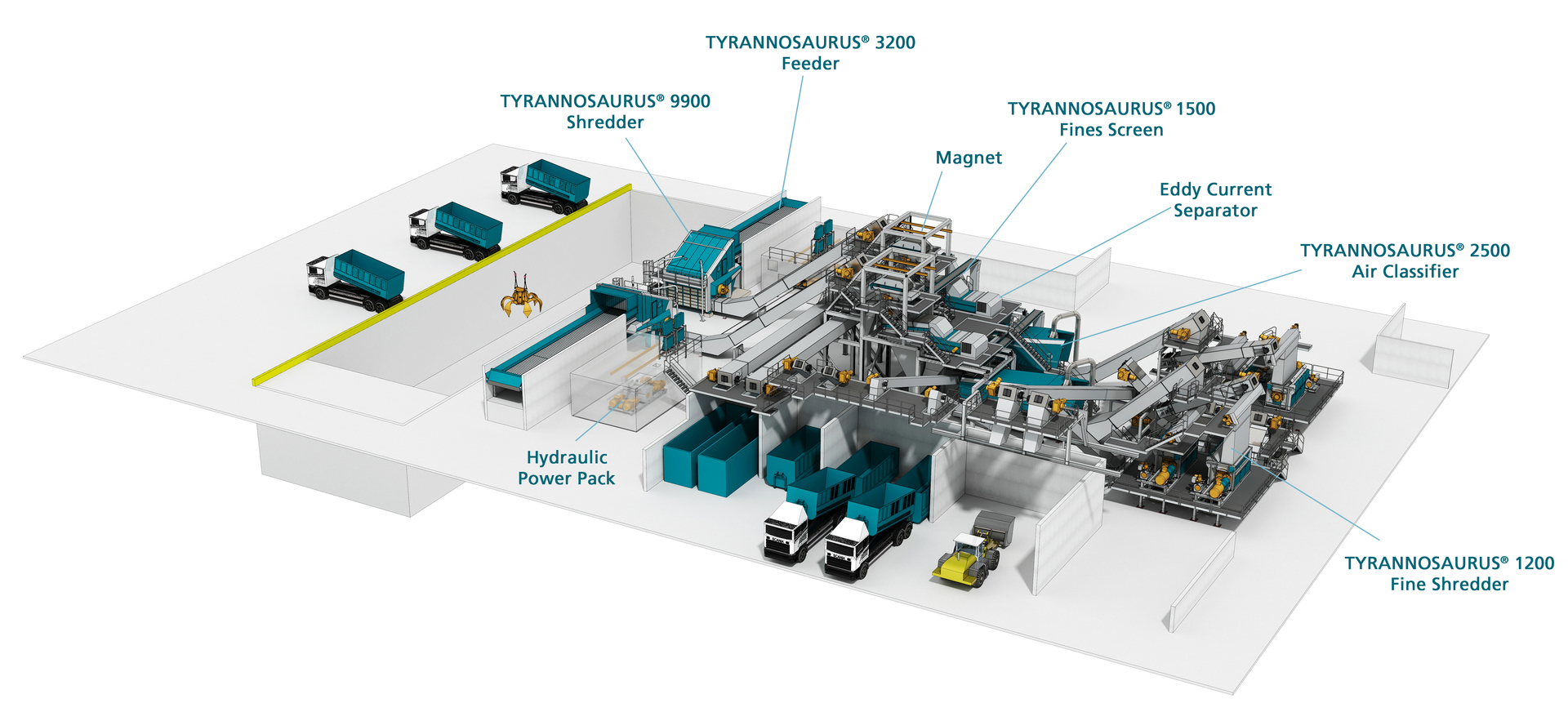
Electricity generation from waste-based fuels is a game-changer for energy security and environmental sustainability. GETEX Energy enables power plants to use SRF/RDF as their primary or co-fired fuel, replacing fossil sources. Our Waste to Electricity systems support:
- Combustion, gasification, and pyrolysis technologies
- Integration with existing power plants
- Co-firing with biomass, peat, or fossil fuels
- Modular design tailored to local waste characteristics
By converting waste into electricity, we help reduce methane emissions from landfills and provide clean energy for growing urban demands.
3. Waste to Flame
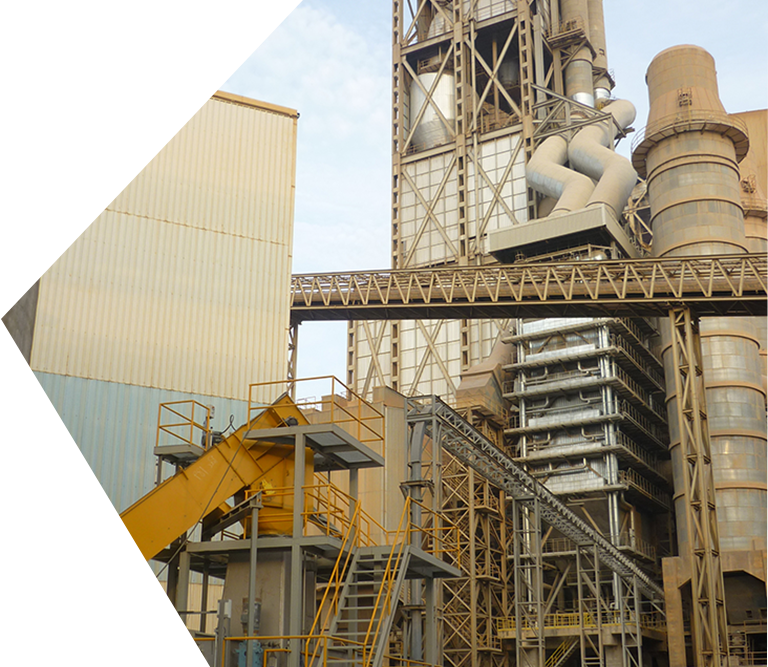
Cement production is one of the most energy-intensive industries. GETEX Energy’s Waste to Flame solution allows cement plants to replace coal entirely with SRF, achieving up to 100% Thermal Substitution Rates (TSR). Key benefits include:
- Custom SRF production aligned with cement plant chemistry
- Use of SRF as both energy and raw material
- Reduction in NOₓ and fossil CO₂ emissions
- Safe ash binding into cement, eliminating ash landfilling
Our turnkey systems integrate seamlessly into existing cement infrastructure, offering economic and environmental advantages for industrial clients
4. Fuel Quality Control Equipment
Fuel Quality Control System is an integrated solution comprising screening and separation equipment designed to control particle size and remove unwanted contaminants before fuel is fed into boilers or combustion systems. This solution enhances fuel homogeneity, increases calorific value, reduces ash content, and ensures stable and efficient operation of fuel-fired equipment.
Depending on the characteristics of the feedstock and the operational requirements of each facility, the system can be configured as a fully integrated processing line or as standalone modules that can be easily incorporated into existing operations. Main equipment included in the system consists of:
- Magnet Separator
Recovers and removes ferrous metals, such as iron and steel, from the material stream. In addition to increasing the recycling value of recovered materials, the system protects downstream equipment, including shredders, conveyors, and feeding systems, from potential damage caused by metal contaminants present in the waste stream.
- Fines Screen
Removes fine materials such as soil, sand, dust, broken glass, and other inert particles from the material stream. This process helps reduce ash content, increase calorific value, and improve the overall quality of the final RDF/SRF fuel product.
- Air Classifier
Separates materials based on their density and aerodynamic properties, producing a light, clean, and high-calorific-value fuel fraction consisting of materials such as plastics, paper, textiles, and wood. At the same time, heavy and inert materials including stones, bricks, and glass are removed, helping to optimize RDF/SRF fuel quality and improve combustion efficiency.
5. Storage Solutions
Fuel Storage Silo System is designed to maximize storage capacity while minimizing the required installation footprint, making it an ideal solution for facilities with limited available space.
Its fully enclosed structure minimizes dust emissions, odors, and material spillage, contributing to improved operational conditions and environmental protection.
Integrated with a Rotating Screw Reclaimer, the system operates on the FIFO (First In, First Out) principle, ensuring continuous fuel turnover, maintaining consistent fuel quality, and reducing the risk of self-combustion during storage.
In addition, the reclaimer mechanism promotes effective fuel blending during discharge, balancing moisture content and fuel quality to enhance the performance of boilers and downstream fuel-consuming systems.


