


- 23/07/2026
- Blogs
Hydrogen – The energy of the Future
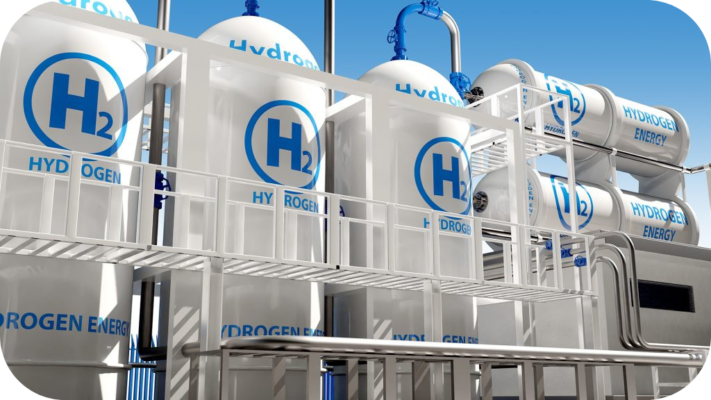
Hydrogen (Hydro) is the lightest chemical element and the most abundant substance in the universe. By using fossil fuels or clean electricity, hydrogen gas can be produced and then stored, transported, and utilized as an energy source.
Unlike most conventional fuels, hydrogen does not produce carbon dioxide (CO₂), a greenhouse gas, when it is burned. Instead, its combustion generates water. As a result, the use of hydrogen as a fuel does not directly contribute to climate change, making it a promising energy carrier for a more sustainable and low-carbon future.
I. The 3 Main Types of Hydrogen
In the energy sector, hydrogen is classified based on its production feedstocks and life cycle CO₂ emissions. The three most common categories of hydrogen today are gray hydrogen, blue hydrogen, and green hydrogen, representing different levels of sustainability and environmental friendliness. These hydrogen types currently play a central role in the transition toward low-emission energy systems and the development of a global hydrogen economy.
1. Grey Hydrogen
Currently, gray hydrogen is mainly used as an industrial feedstock rather than a direct energy source for power generation or transportation. It is the most widely produced type of hydrogen globally due to its low cost and fully developed supply infrastructure.
- Applications:
Fertilizer Production: Grey hydrogen is used to synthesize ammonia (NH₃), a key feedstock in the production of nitrogen-based fertilizers for the agricultural industry.
Petroleum Refining: In oil refineries, hydrogen is used to remove sulfur from gasoline and diesel fuels. It also plays a role in the hydrocracking process, which converts heavy hydrocarbon molecules into higher-value fuel products.
- Advantages:
Lowest cost: Production costs are extremely low (only around $1–2/kg), with a highly abundant and stable supply thanks to the well-established global natural gas infrastructure.
2. Blue Hydrogen
Blue hydrogen is considered a critical transition solution in the decarbonization of the energy sector and heavy industries. This type of hydrogen enables businesses to significantly reduce greenhouse gas emissions while leveraging existing infrastructure, technology, and feedstocks, thereby minimizing the need for full capital investment to replace production systems.
- Applications:
Direct replacement for gray hydrogen in fertilizer production and oil refining to “decarbonize” these industries.
Blending into the existing natural gas grid for power generation, helping to lower the carbon intensity of gas-fired power plants.
- Advantages:
Short-term emission reduction: Thanks to Carbon Capture, Utilization, and Storage (CCUS) technology, blue hydrogen can reduce CO₂ emissions by approximately 70–90% compared to gray hydrogen, while still using natural gas as a feedstock.
Leveraging existing infrastructure: It enables countries to utilize depleted oil and gas fields as storage sites for CO₂ sequestration.
3. Green Hydrogen
Green hydrogen is considered the most sustainable hydrogen solution today and plays a crucial role in the global energy transition roadmap. Produced through water electrolysis powered by renewable energy sources such as wind, solar, or hydropower, this hydrogen generates virtually zero greenhouse gas emissions during production. In the future, green hydrogen is expected to gradually replace fossil fuels like coal, oil, and natural gas in hard-to-abate sectors.
- Applications:
Heavy-duty transportation: Green hydrogen is used as a fuel for long-haul trucks, ships, trains, and aviation particularly in sectors where traditional batteries face constraints regarding weight, storage capacity, or charging times.
Energy storage: When wind or solar power generates electricity exceeding consumption demand, the surplus energy can be used to produce green hydrogen. This hydrogen is then stored and converted back into electricity when needed, enhancing grid stability.
Green steelmaking: In the metallurgical industry, green hydrogen can replace metallurgical coke as a reducing agent for iron ore, significantly reducing or completely eliminating emissions generated during steel production.
- Advantages:
Zero Emission: Generates zero carbon emissions throughout its entire lifecycle, from production to consumption.
Energy Independence: Any nation with sun and wind resources can produce its own energy, eliminating reliance on oil-rich countries.
II. An infinite energy source that limits greenhouse gas emissions
Hydrogen is the most abundant element in the universe, present in large quantities in water (H₂O), biomass, and organic matter. Oceans cover 71% of the Earth’s surface, providing an immense water supply for hydrogen extraction.
Compared to finite energy resources like coal, oil, and natural gas, hydrogen is considered an infinite energy source. It benefits from being produced using water, sunlight, and wind resources that are continuously replenished. Furthermore, because renewable energy can be harnessed for its production, the long-term supply of hydrogen is deemed virtually inexhaustible.
1. Hydrogen fuel cells
In a fuel cell, hydrogen chemically reacts with oxygen to generate electricity. This reaction is inherently carbon-free.
Hydrogen fuel cells generate electricity through a chemical reaction. Each fuel cell consists of two electrodes: an anode (negative electrode) and a cathode (positive electrode). The power-generating reaction takes place at these electrodes, with an electrolyte transporting charged particles between them and a catalyst accelerating the reaction.
Hydrogen serves as the primary fuel in a hydrogen fuel cell, but the system also requires oxygen to operate. One of the greatest advantages of this fuel cell is its ability to produce electricity with minimal pollution, as hydrogen and oxygen combine to generate power while producing water as a byproduct. Fuel cells operating on pure hydrogen produce zero carbon emissions.
Fuel cells operate similarly to electrochemical batteries, but unlike conventional batteries, they do not run down or require recharging. They can continuously generate electricity if fuel (in this case, hydrogen) is supplied.
Owing to their outstanding operational efficiency and environmental friendliness, hydrogen fuel cells are primarily applied in cars, buses, trucks, and trains. Vehicles utilizing this technology are known as FCEVs (Fuel Cell Electric Vehicles). This is considered one of the most promising directions for the future of low-emission transportation.
2. Hydrogen Internal Combustion Engine
A hydrogen internal combustion engine (H2 ICE) is very similar in structure and operating principle to a traditional gasoline or diesel engine. However, instead of burning fossil fuels, it utilizes hydrogen gas as fuel to generate mechanical power that drives the vehicle.
Advantages of Hydrogen Internal Combustion Engines
- Environmentally friendly (Zero emission)
Since the hydrogen molecule (H2) contains no carbon atoms, its primary combustion reaction produces no greenhouse gases (CO2), toxic carbon monoxide (CO), or unburnt hydrocarbons. The main byproduct of the combustion process is simply water(H2O).
- Low technology transition costs for the industry
H2 ICE engines inherit up to 80%–90% of components and production lines from existing gasoline/diesel engines (such as engine blocks, pistons, crankshafts, and cooling systems). Automakers do not need to build entire factories from scratch as they would when transitioning to battery electric vehicles (BEVs), saving billions of dollars in conversion costs.
- Suited for Heavy-Duty Transport & Extreme Operations
Unlike battery electric vehicles, which are sensitive to extreme cold or heat (causing reduced battery lifespan and capacity), hydrogen internal combustion engines operate reliably in harsh environments. Their high load-carrying capacity makes them exceptionally well-suited for container tractor-trailers, excavators, bulldozers on construction sites, and locomotives.
- Ultra-fast refueling time
Instead of waiting anywhere from 30 minutes to several hours to recharge a battery, hydrogen-powered vehicles can be fully refueled in just 3 to 5 minutes; comparable to conventional gasoline fueling. This provides a significant advantage over electric battery vehicles, which typically require longer charging times, particularly for long-haul and high-intensity transport operations.
III. Conclusion
Given these characteristics, hydrogen is expected to play a vital role in gradually replacing traditional fossil fuels such as coal, oil, and natural gas energy sources that generate vast amounts of greenhouse gases and severe environmental impacts.
Although production, transportation, and storage costs currently pose significant barriers to large-scale deployment, rapid technological advancements and the global energy transition are steadily improving hydrogen’s competitiveness. Consequently, hydrogen is viewed as one of the clean energy sectors with immense long-term investment potential and strong future growth prospects.
As a strategic partner of Valmet, we collaborate to provide end-to-end solutions; from design consultancy and system integration to lifecycle maintenance services. The synergy between Valmet’s global expertise and our local implementation capabilities provides a solid foundation, empowering your plant to confidently lead the green energy transition.


