


- 30/07/2026
- Blogs
Advanced Waste Treatment Solutions
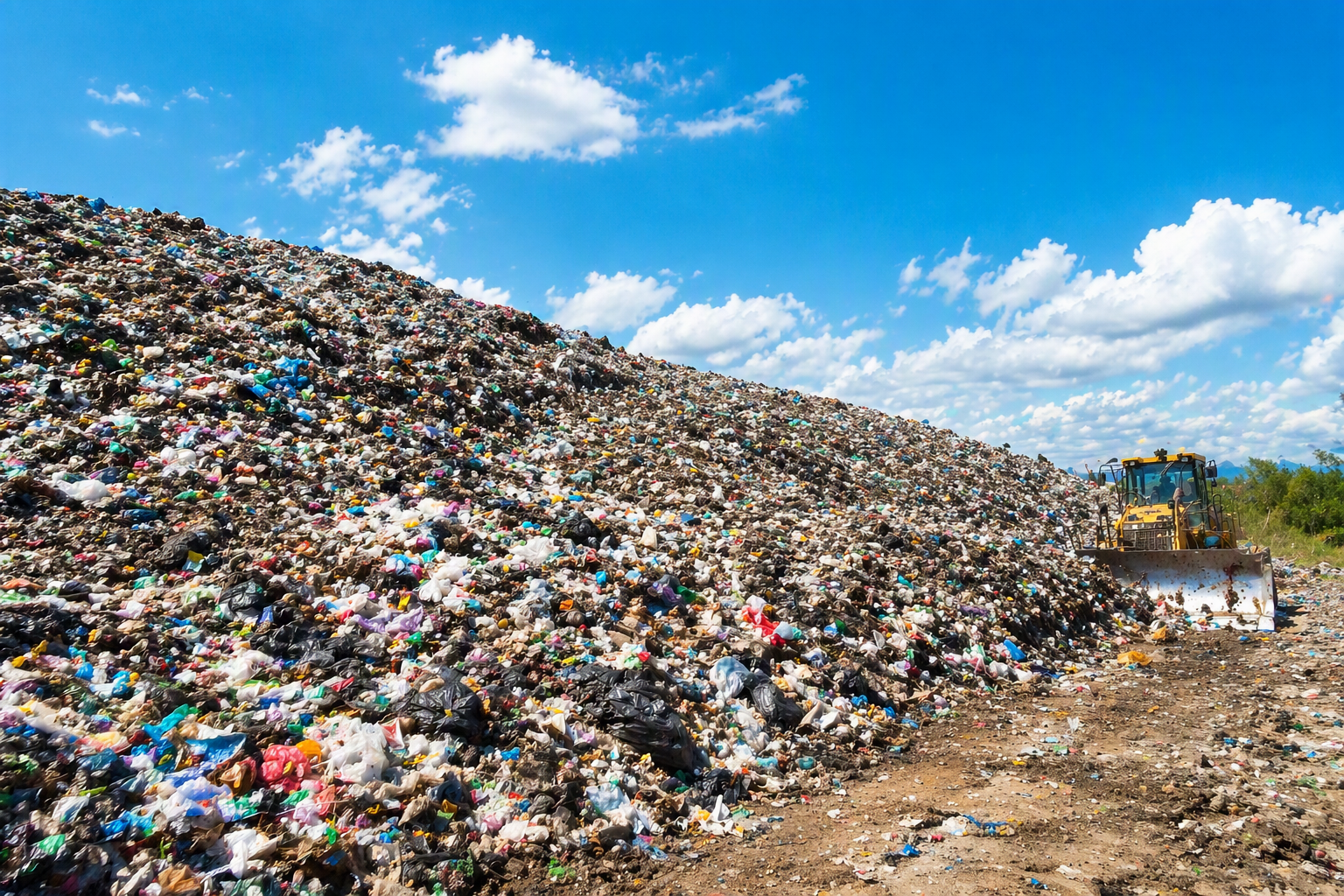
In the context of increasing urbanization and growing environmental pressures, the adoption of advanced waste treatment technologies has become a key factor in achieving sustainable development. These solutions not only help minimize pollution but also optimize recycling and energy recovery from waste.
Handling Technologies Solutions
Waste-to-Energy (WTE)
- Principle: Waste is processed in specialized incinerators to generate heat, which is then converted into electricity.
- Advantages: Reduces landfill waste, creates a renewable energy source, lowers greenhouse gas emissions, and helps address waste overload in major cities.
- Challenges: High investment costs, requires waste segregation at source, and demands advanced technology to prevent secondary pollution.
Biotechnology
- Principle: Utilizes microorganisms, enzymes, or biological processes to decompose organic waste into useful products such as compost and biogas.
- Advantages: Reduces environmental pollution, creates valuable products (fertilizer), eco-friendly and sustainable.
- Limitations: Long processing time requires technical expertise, and high initial investment costs.
Plasma Technology
- Principle: Uses a plasma arc with extremely high temperatures (3,000°C to over 10,000°C) to break down waste. This process produces synthesis gas (CO + H₂) and safe inorganic slag that can be reused in construction.
- Advantages: Thoroughly treats almost all types of waste, does not generate harmful emissions during incineration, and allows energy recovery from the produced gas.
- Disadvantages: High investment costs, significant electricity consumption, requires highly skilled technicians, and is suitable for large-scale operations and special waste treatment.
Pyrolysis Technology
- Principle: Decomposes organic waste at high temperatures in an oxygen-free environment, converting it into oil, gas, and solid char.
- Advantages: Reduces landfill waste, recycles organic and plastic waste into valuable fuels, and emits fewer harmful substances compared to traditional incineration.
- Disadvantages: Only suitable for organic waste, plastics, and rubber; requires source segregation; higher investment costs than biotechnology.
Comparison of Waste Treatment Efficiency
| Technology | Waste Volume Reduce | Hazardous Waste Treatment | By-products | Toxic Gas Emissions |
| Plasma Technology | >95% | Excellent | Syngas, vitrified slag | Negligible |
| Waste-to-Energy | 80-90% | Capable, requires air pollution control technologies | Bottom ash, metals, thermal energy | Possible if poorly controlled |
| Pyrolysis | 70-80% | Moderate | Oil, gas, biochar | Possible if poorly controlled |
| Biotechnology | 50-60% | Not capable of treating hazardous waste | Compost, biogas | Negligible |
Insights:
- Plasma technology excels in all criteria (high efficiency, no toxic emissions, energy generation).
- Waste-to-Energy performs well in reducing waste volume and generating energy but emits toxic gases.
- Pyrolysis is effective for plastics and organic waste but cannot handle all types of waste.
- Biotechnology is environmentally friendly but has low efficiency and slow processing.
Conclusion
Applying waste treatment technologies is a crucial solution to address the waste crisis and move toward the global Net-Zero goal. Converting waste into energy helps reduce greenhouse gas emissions, contributing to climate change mitigation. However, these technologies require advanced technical expertise, comprehensive management, and may have environmental impacts. To achieve sustainable effectiveness, collaboration within communities, adoption of modern technologies, and appropriate policies are essential.
Learn how our partner optimizes waste management through advanced technologies here.


